
Evaluation and Consultation
Evaluation the child/adolescent in all aspects, including:
Sensory Evaluation/Assessment: Assessing sensory processing and responses and their impact on distraction, focus, and behavior.
Cognitive Abilities Assessment: Such as attention span, divided attention, distraction rate, working memory, short-term memory, long-term memory, information retrieval, executive function like planning, organizing, prioritizing, strategic critical thinking, and problem-solving skills.
Play and Social Skills Assessment: Communication and social interaction skills, solo and group play skills like cooperation, peer sharing, and understanding and using non- verbal communication like facial expressions, body language, and eye contact.
Behavioral Problems Assessment: Includes aggressive behaviors like hitting, biting, or screaming, withdrawal and repetitive behaviors, challenging behaviors like defiance, refusing instructions, or behaviors that hinder positive interaction with others.
Eating Difficulties and Food Selectivity Assessment: Understanding the causes affecting eating behaviors by reviewing eating habits like repeated food refusal, sensory sensitivity to texture, taste, smell, or appearance of food, impact of oral-motor skills, Avoidant/restrictive food intake disorder (ARFID) and psychological and social effects like past negative experiences.
Anxiety Assessment: Measuring and understanding the impact of anxiety on the child/adolescent’s life and identifying potential underlying causes.
Pre-School Skills and Academic Readiness Assessment: Assessing the child's skills in holding a pencil correctly, classroom sitting behavior, understanding and following instructions, expressing ideas, interacting with teachers and peers, attention/focus, memory, problem-solving, and managing emotions and behaviors.
Daily Living Skills and Independence Assessment: Evaluating self-reliance in daily life skills like bathing, dressing, eating, and drinking independently, brushing teeth, and self-care abilities.
Developmental Motor Skills Assessment: Assessing gross motor skills like walking, running, jumping, and balance, fine motor skills like hand and finger use in precise activities like writing, picking up small objects and fingers dexterity, visual-motor coordination, and muscle strength and flexibility.
Visual Perception Assessment: Visual discrimination like distinguishing shapes, sizes, colors, and different objects, visual memory, and recalling visual information over time, and distinguishing between figure and background.
"The assessments are determined according to the age of the client and the difficulties they face, using globally recognized standardized tests and clinical evaluation/observation."


Training Course :
1. GIFTED course to Improve Skills:
This unique course aims to develop the skills of children and adolescents through a personalized plan based on a thorough evaluation of their cases.
After conducting the comprehensive evaluation mentioned earlier, the areas of difficulty are identified and explained to the parents, and a precise plan is developed to address these difficulties and challenges.
Course Types:
Believing in the diversity of cases and challenges and the differences in ages and needs, we have designed unique courses to meet all your needs, considering and accommodating them.
- Session duration: Varies between 30 or 45 minutes, determined after evaluation and specialist recommendations.
- Session frequency:: Session frequency ranges from one to three times a week based on the needs of the case..
- Quarterly Courses:: Special courses extending over three months are available to provide continuous support and regular assessment of progress..
2. Parents training course:
This course aims to equip parents with the tools and knowledge needed to support their children facing various developmental challenges. The course is designed specifically for your child after a comprehensive assessment to provide effective strategies tailored to them alone and practical techniques that help parents improve their children's quality of life and enhance their development in various needed areas.
Course Objectives:
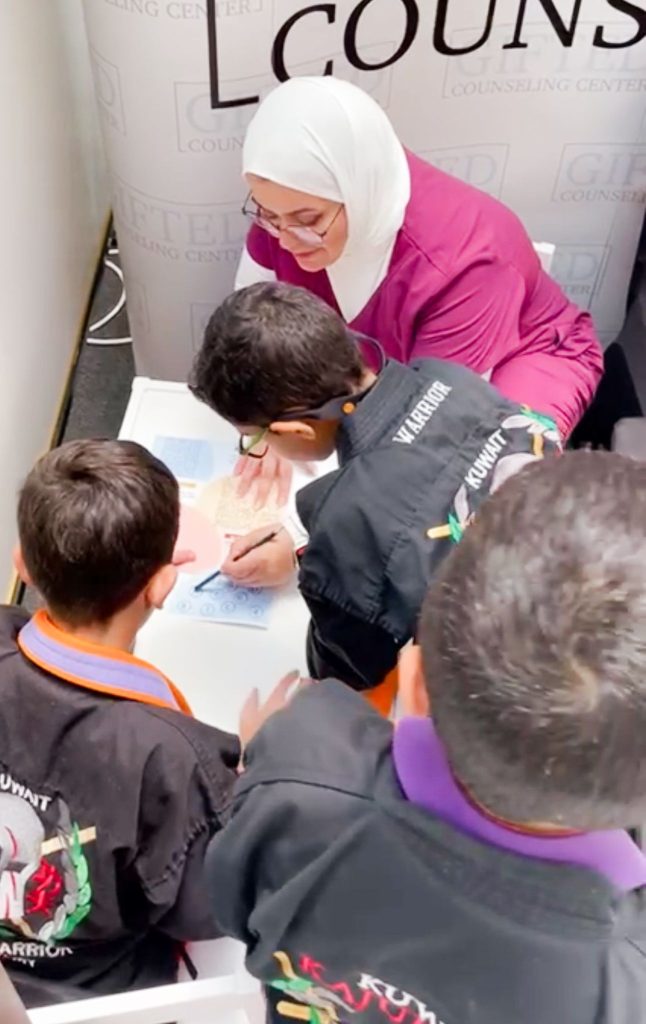
Group training services are seasonal and not continuous throughout the year. They aim to deepen skills that rely on participation and develop the child's/adolescent's skills in a supportive and goal-oriented environment.
Under the supervision of a specialist, these programs help children and adolescents integrate and develop in the presence of peers.
Types of Group Training:
For Children:
- Age group: 4 to 6 years or 6 to 8 years.
- Group size: Consists of 4 to 5 children.
- Objective: Developing social skills, cognitive skills, and school readiness skills in an encouraging group environment.
For Adolescents:
Age group: 14 to 18 years.
Group size: Group size: Consists of 4 to 5 individuals.
Objective Enhancing performance in life, school, and social interactions through programs including life path determination using the ikigai theory, how to set and achieve life goals using SMART & SOAP methodology, principles of improving attention and memory skills, time management, stress management, maintaining motivation, effective communication skills, and public speaking principles.
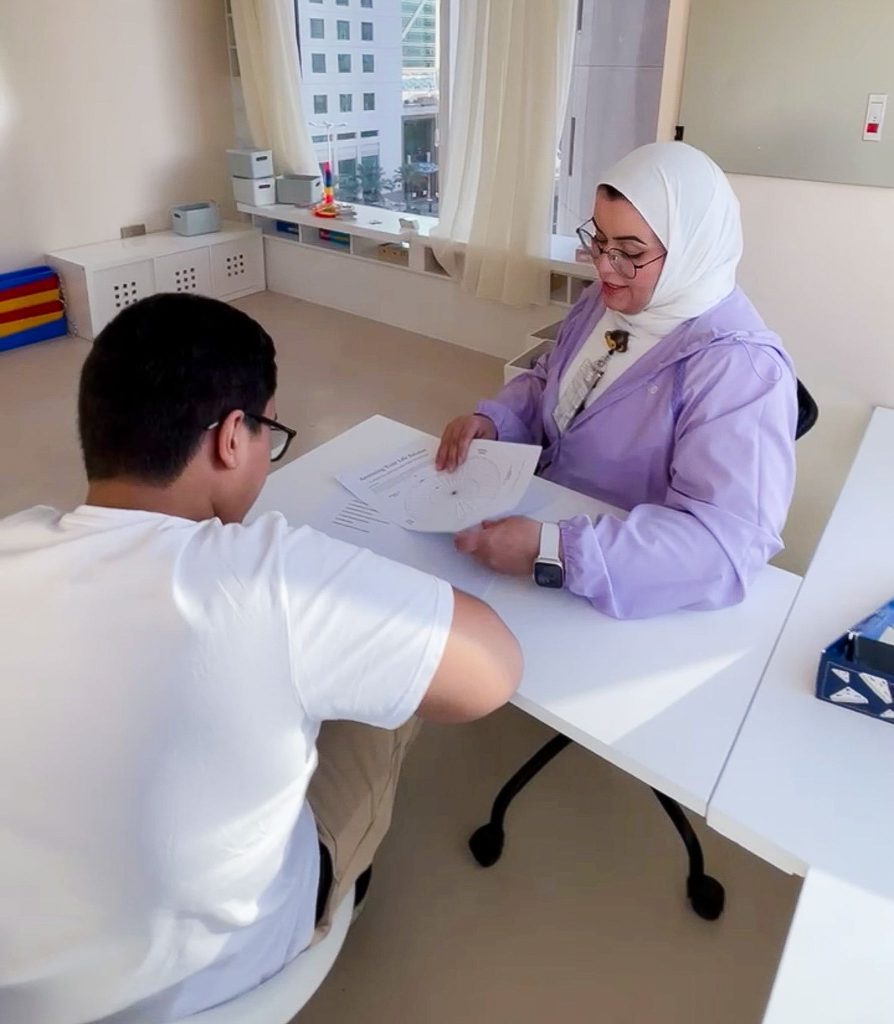
Special Training Session for High School Students
This session aims to provide personalized individual training for adolescents and covers various topics:
- Assessment of cognitive skills: Evaluating the efficiency of attention span duration and divided attention, working memory, short-term memory, and long-term memory.
- Training on memory, focus, information retrieval strategies, and anger management.
- Explaining brain function and strategies to improve studying skills.
- Anxiety level assessment and techniques for managing stress and anxiety.
- Determining suitable life paths using the ikigai theory.
- How to set short- and long-term goals, track, and evaluate them using SMART & SOAP methodology.
- Explaining and applying the concepts of Cognitive Behavioral Therapy (CBT) to deal with thoughts, feelings, and their impact on behavior.
- Learning effective time management techniques and prioritization skills.
(contains a follow-up session scheduled later on another day for detailed explanation and giving the references practical strategies)
Notes : Note: This session includes attached worksheets for the previous skills and topics.
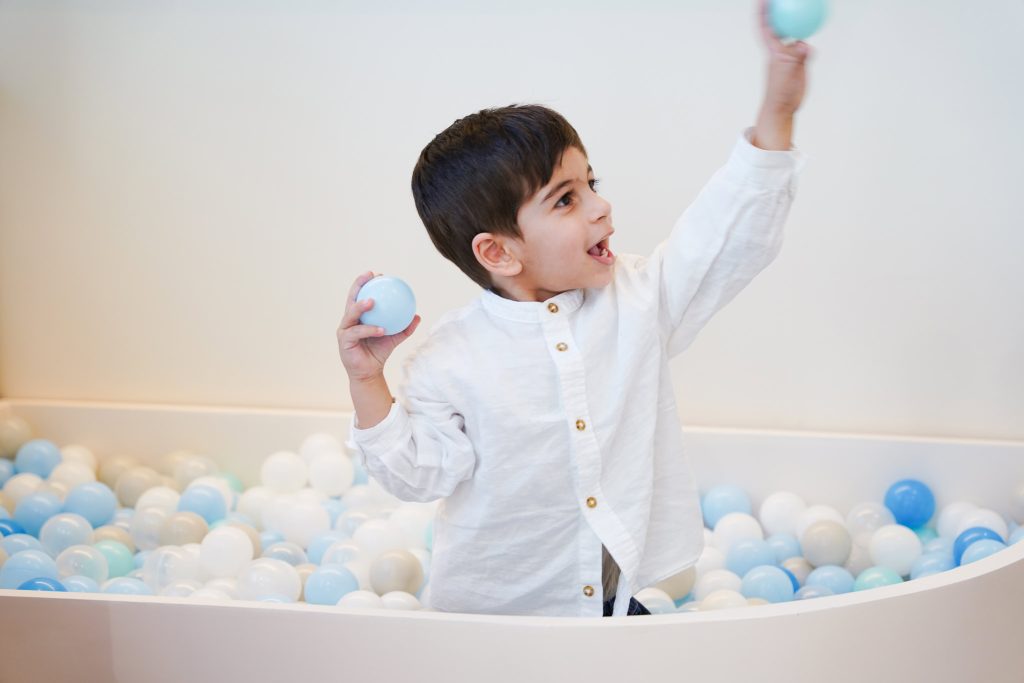
Mother Support Session:
Aimed at helping mothers cope with the burdens and responsibilities of supporting a child facing different challenges. These sessions are based on Cognitive Behavioral Therapy (CBT) and the "Healthy Mothers, Healthy Families" approach to provide comprehensive and effective support.
This session helps improve the mother's mental and emotional health by offering psychological and cognitive support.
enhancing the ability to handle daily pressures, managing stress effectively, and providing practical strategies to improve the mother’s physical, mental, and emotional health, which positively reflects on their families and children.